

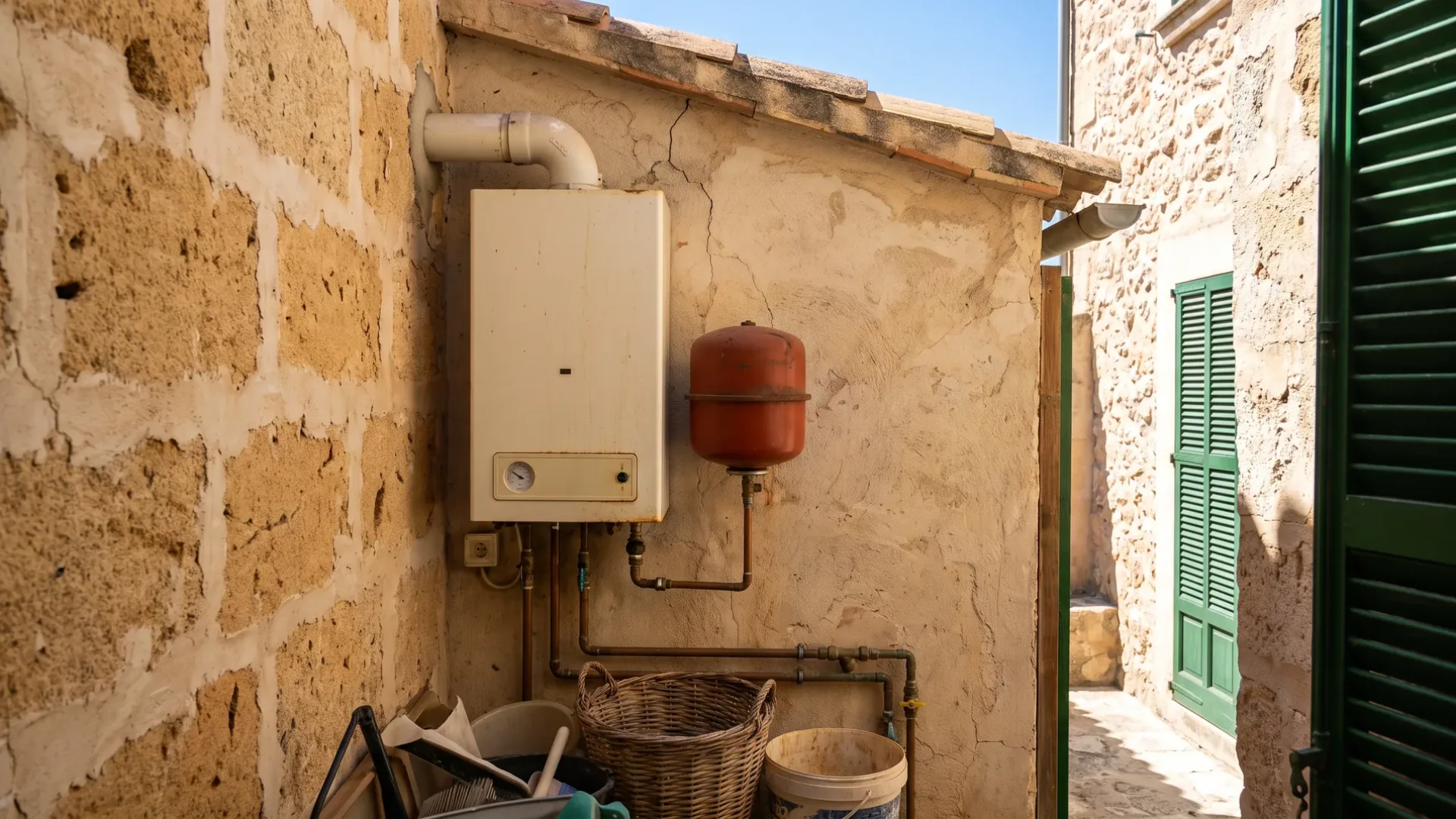
Replacing a Failed Heating System
A boiler dies or a pump fails and the choice is whether to replace it with the same thing or change to something better. The trap is that the old system imposed certain constraints on itself, and a new one does not have to accept them. A boiler fed 70-degree water through tight radiators was running hot to get heat out quickly. A heat pump can do the same job with 40-degree water through the same radiators, but it is different and the old system has shaped what can now fit. Describe the property and what is currently there, and we pass it to air conditioning and heat pump companies that handle this transition.
request describes the job
companies see it
for you, always
obligation to accept
The advantage of having pipes already in place
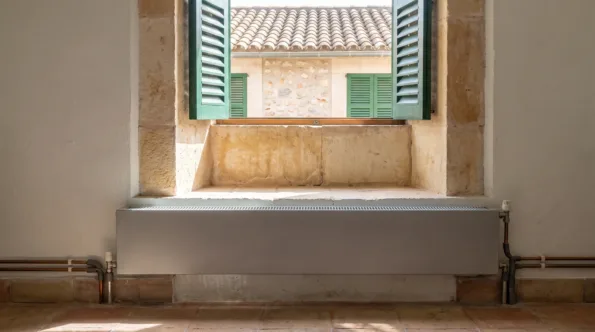
A new system does not have to be routed through walls and floors. The pipes are already there. The manifolds are there. The emitters in the rooms are already hung or laid. This is the enormous advantage of replacement over installation: most of the disruption is done.
The disadvantage is that a new system may not want to use the same pipes. An old boiler sends water round hot, so a small radiator can shift a lot of heat quickly. A heat pump is efficient precisely because it sends water round barely warm, and the same radiator then gives up far less. The radiators work, but not well: they have to be oversized or the room stays cold. Replacing a boiler with a different kind of system is often a choice between accepting that compromise and replacing the radiators too.
A third option is to stay with the same type of system. Replacing a boiler with another boiler means the pipes stay as they are, the radiators do not change, and the job is simple. The cost is low and the result is straightforward. The cost of running it all winter goes back up.
What a replacement job usually checks first
Deciding what can stay tells the rest of the story.
- The age and type of the existing system and why it is failing
- Whether the radiators have been sized for the water temperature the old system ran at
- What a new system would need to heat the same rooms to the same temperature
- Whether existing pipes can accept the lower temperatures a heat pump runs
- What space the old plant room provides, or if a new location is needed
- Whether the existing electrical supply can power a new system
- Water hardness and treatment, which changes with a different system type
- Noise and vibration from new equipment, and where it will sit
The replacement decision sequence
Each step rules in or out the options that come next.
-
01
Diagnose the failure
Is it a single part that failed, a corroded system ready to fail, a control that gave up, or the boiler at the end of its life. A pump replacement is different from a boiler replacement.
-
02
Define what you want from heating
The same comfort and cost as before, or are you willing to change either. Comfort with cost going down is only possible with a more efficient system. Cost staying the same with comfort going up requires a larger system and space for it.
-
03
Understand what the old system constrained
Radiators, pipes and pump sizes were chosen for a particular water temperature. A new system might not want to use the same temperature.
-
04
List what can stay and what has to change
If the radiators are undersized they have to go. If the pipes are too thin they can stay if the flow rate is low. The plant room space, the electrical supply, and the location of the outdoor unit are often the deciding factors.
-
05
Get quotes with the constraints stated
Tell each company what you can change and what you want to stay. That determines what they can do.
Repair or replace: the trade-off that usually decides itself
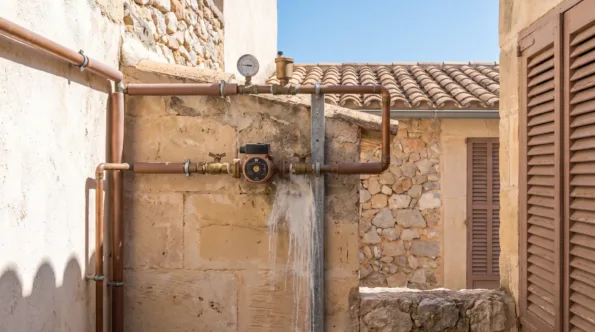
A repair is cheaper today. A replacement is usually cheaper over the life of the system. What decides between them is the size of the repair set against how much working life the system has left. A boiler near the end of its life does not deserve a major part fitted to it. The same part in a system with years left is worth every cent.
The second driver is confidence. A repair buys another two years if you are lucky. A replacement buys fifteen. If the system is at the age where serious repairs usually start, three repairs in quick succession are almost certain. That is when replacement stops being a choice and becomes the only sensible move.
The fear is always that a repair turns out to be money thrown after a machine that is going anyway. Often it is. A system old enough to need one major part is usually close to needing the next, and the next one tends to arrive sooner than anybody budgeted for. A young system that fails is a different case. One part goes, it is fitted, and the thing runs on.
The system types replacement can choose between
Replacement is not locked to replacing like with like.
Heat pump replacement
Radiator sizing
Service before failure
Why two replacement quotes for the same system differ
The existing constraints and what changes drive the price.
- Keeping the old radiators against replacing them with new ones sized for the new system
- Using the existing plant room or finding space elsewhere for a water cylinder
- Whether new pipes are being run or the old ones are being flushed and reused
- Electrical upgrade if the new system has a higher load than the old one
- Removing the old boiler and associated equipment versus leaving it as backup
- Flushing the system and treating for corrosion if changing from boiler to heat pump
- Controls and zoning, which may need to be redesigned for a different system
- Whether the job includes water heating or only space heating
How your request reaches a company
Mallorca Climate Control is a comparison service. A request for a heating replacement goes to the air conditioning and heat pump companies on our list; they quote the work and carry it out, and any agreement is between you and the company you pick.
-
01
Describe the job
Tell us the property, roughly what you want and where it is. Photographs and a rough plan help, though neither is required.
-
02
We match it
The request goes to companies that work in your area and take on this kind of job at this size.
-
03
They quote you
Each company contacts you directly with its own price, timing and approach. We do not set any of it.
-
04
You compare and choose
Put the quotes side by side and take the one you want, or none of them. Using the site costs you nothing.
Can I replace my boiler with a heat pump and keep the radiators?
Yes, but with a catch. Radiators were sized for how hot the boiler ran them. A heat pump runs them much cooler. The radiators will work at the lower temperature, but they will emit less heat and the rooms may not reach the same temperature. Oversizing them or adding more of them solves it, which costs money.
Is it cheaper to repair or replace?
A repair is cheaper at first. A replacement is usually cheaper over the life of the system. The decision turns on the age of the system set against the size of the repair. A system near the end of its working life usually wants replacing once a major part fails. A younger one can be repaired and run on.
What can stay when replacing a heating system?
The pipes stay if they are in good condition. The plant room space stays. The radiators stay if they are fit for purpose in the new system, which depends on the water temperature it will run. The oldest parts fail last, so an old pump or a control can often outlive the boiler.
Does the new system have to go in the same plant room?
Not necessarily. A small boiler needs a plant room; a heat pump with a water cylinder needs more space. A split system fed by an outdoor unit needs less. If the old plant room is too small or in the wrong place, the new system goes where it fits.
What gets removed from the old system?
The boiler definitely. The pipe work stays. The manifold usually stays. The pump stays or is replaced depending on capacity. The water cylinder gets replaced if the new system has a different specification.
Get heating replacement quotes
Describe what is there now and what you want to achieve, and let companies quote the replacement.